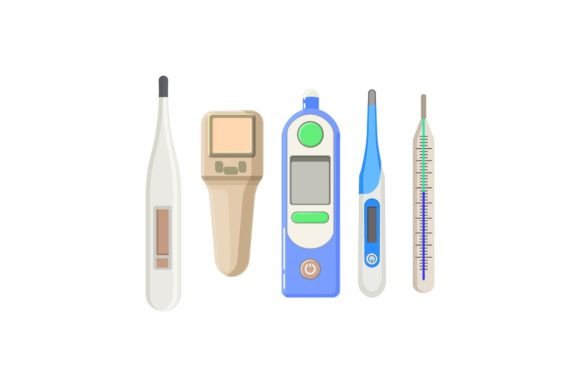
Medical Device: A Versatile Embroidery Design for Creative Projects
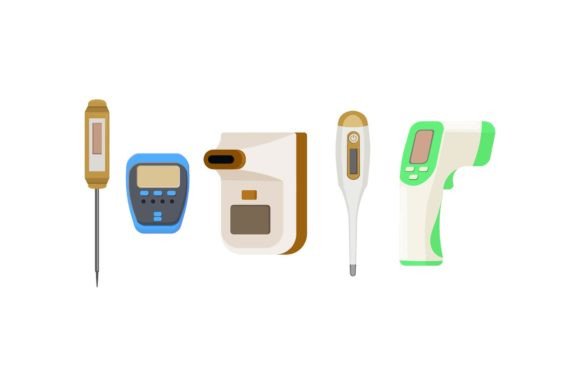
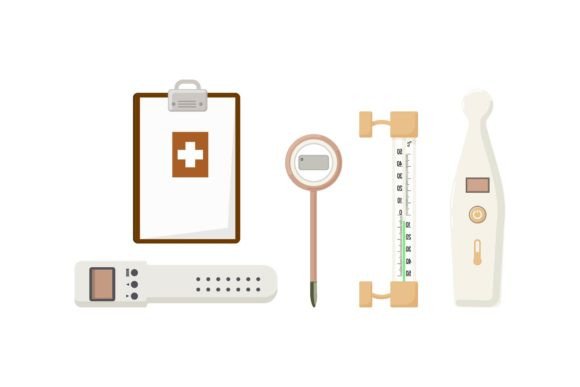
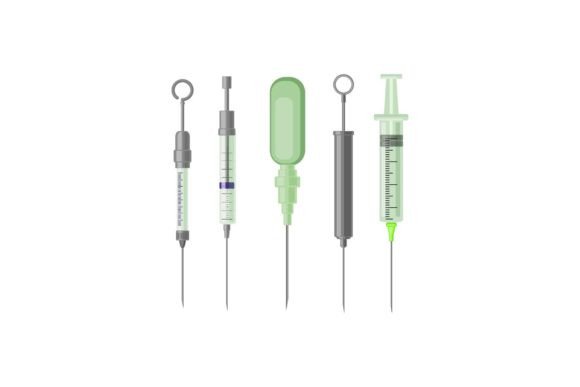
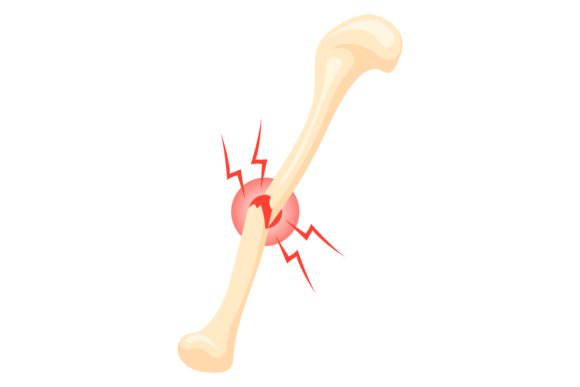
As a seasoned embroidery designer, I was intrigued by the Medical Device design when I first came across it. This unique graphic is not just another illustration; it's a thoughtful and detailed piece that can add a professional yet creative touch to a wide range of projects.
First Impressions and Visual Personality
The Medical Device design exudes a clean, modern, and professional vibe. The layout is well-balanced, with a focus on simplicity and clarity. It's a perfect fit for projects that require a touch of sophistication without being overly complex. The design's visual personality is both inviting and authoritative, making it ideal for medical-themed gifts, custom apparel, and even promotional items.
Ideal for Custom Apparel and Personalized Gifts
One of the most appealing aspects of the Medical Device design is its versatility. Imagine stitching this onto a custom embroidered tote bag or a sweatshirt. The design would look crisp and clear, adding a professional yet personal touch. For Etsy sellers and small business owners, this could be a fantastic addition to your product line, especially for those in the healthcare or wellness industries.
Performance in Real-Life Embroidery Situations
When it comes to real-life embroidery, the Medical Device design holds up exceptionally well. Here are some practical insights:
- Custom Apparel: On t-shirts, sweatshirts, and other clothing, the design stitches cleanly and looks sharp. The satin stitch and fill stitch details add a polished finish.
- Tote Bags: The design stands out beautifully on tote bags, making them a great choice for promotional items or as a thoughtful gift for healthcare professionals.
- Baby Embroidery: For baby clothes and nursery decor, the design can be resized to fit smaller garments, adding a cute and professional touch to onesies and blankets.
- Holiday Embroidery: During the holiday season, consider using this design for custom embroidered gifts, such as tea towels or pillow covers, for a unique and meaningful present.
Use with Caution in Certain Scenarios
While the Medical Device design is versatile, there are a few areas where extra care is needed:
- Small Hoop Sizes: The intricate details may not translate well in very small hoop sizes. Test the design on scrap fabric to ensure it looks clear and defined.
- Textured Fabrics: Textured fabrics can sometimes distort the fine lines and details. Use a stabilizer and test on a similar fabric before committing to a final project.
- Dark Fabric: The design may not stand out as well on dark backgrounds. Consider using a lighter thread color or adding a background fill to enhance visibility.
- Curved Surfaces: When embroidering on curved surfaces like caps, the design may need adjustments to maintain its integrity. Test on a sample cap to ensure the design fits well.
Enhancing Visual Appeal and Product Value
The Medical Device design can significantly enhance the visual appeal and value of your handmade products. Here’s how:
- Stitch Clarity: The design's stitch density is well-balanced, ensuring that the finished product looks professional and high-quality. This clarity adds to the overall value and presentation of your items.
- Customer Trust: Using a well-designed and professionally executed embroidery pattern like Medical Device can build trust with your customers. They will appreciate the attention to detail and the quality of the finished product.
- Brand Consistency: For small shop owners and Etsy sellers, this design can help maintain a consistent and professional brand image. Whether you’re creating custom apparel, personalized gifts, or promotional items, the design adds a cohesive and recognizable element to your products.
Practical Embroidery Designer Notes
Before using the Medical Device design in your projects, here are some practical tips:
- Test on Scrap Fabric: Always start by testing the design on scrap fabric to check for any issues with stitch density, thread tension, and overall appearance.
- Check Thread Color Contrast: Ensure that the thread colors provide enough contrast against the fabric. This is especially important if you’re using the design on dark or textured fabrics.
- Review Stitch Density: Adjust the stitch density if needed to ensure that the design looks clear and defined. This is particularly important for smaller hoop sizes or detailed areas.
- Confirm Hoop Size: Make sure the design fits within the hoop size you plan to use. If necessary, resize the design to fit your specific needs.
- Inspect Small Details: Pay close attention to the small details and corners of the design. These areas can be challenging, so take the time to inspect and adjust as needed.
- Test in Black and White Mockups: Create black and white mockups to see how the design looks without color. This can help you identify any potential issues with the overall layout and balance.
- Compare Light and Dark Fabric Backgrounds: Test the design on both light and dark fabric backgrounds to ensure it looks good in various settings.
- Use Proper Stabilizer: Choose the right stabilizer for your fabric type to prevent puckering and ensure a smooth, professional finish.
- Check Licensing Terms: Before selling finished items or digital embroidery files, make sure to check the licensing terms to ensure you have the proper permissions.
In conclusion, the Medical Device design is a valuable addition to any embroidery designer's toolkit. Its clean, professional, and versatile nature makes it suitable for a wide range of projects, from custom apparel to personalized gifts. With careful consideration and testing, this design can elevate your handmade products and help you create high-quality, visually appealing items that your customers will love.